
Environmental Education in the National Capital Region
About
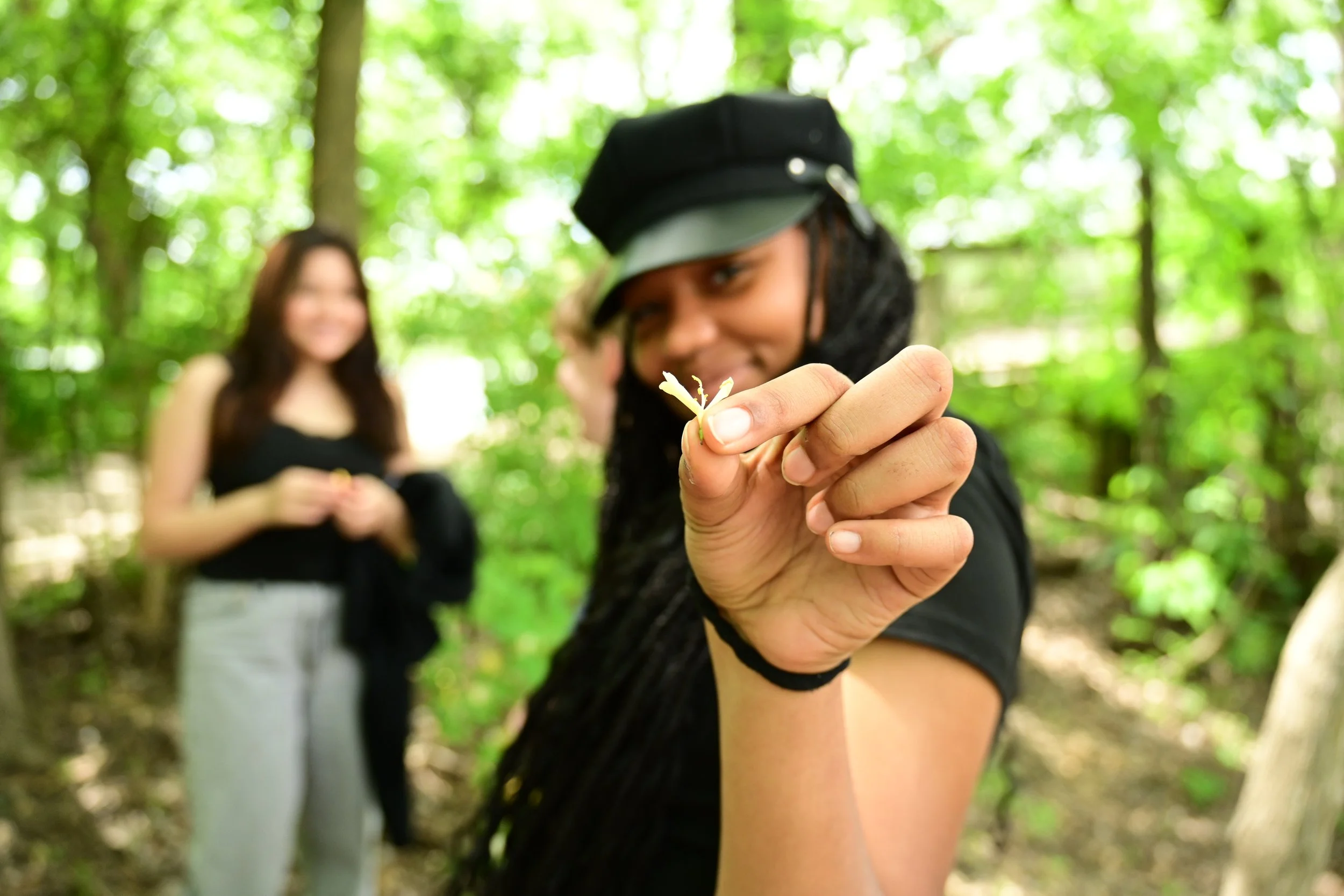
Our Environmental Education Programs in the National Capital region take advantage of the rich biodiversity found in the DC region. We use local green spaces to engage children and youth in thoughtful and experiential lessons in conservation, watershed science, climate change, and ecology. Our students build skills to become environmental stewards within the community.
Please contact education@livingclassroomsdc.org for all questions and inquiries.
School-Based Programs
-
The Nature Near Schools (NNS) program is a Meaningful Watershed Educational Experience (MWEE) composed of standards-aligned environmental literacy lessons for 4th-grade DCPS and DCPCS students. Our curriculum includes environmental issue definition, outdoor field investigations, synthesis and conclusions, and stewardship action projects. This MWEE is a 5-part series completed over part of a school year. Students will be able to learn outdoors and engage in scientific inquiry through data collection and observation. Our driving question is “how does our school impact the watershed and what can we as 4th graders do about it?” Funding for this program is provided in part by the Department of Energy and Environment (DOEE).
Learn more about this program here or email education@livingclassrooms.org.
-
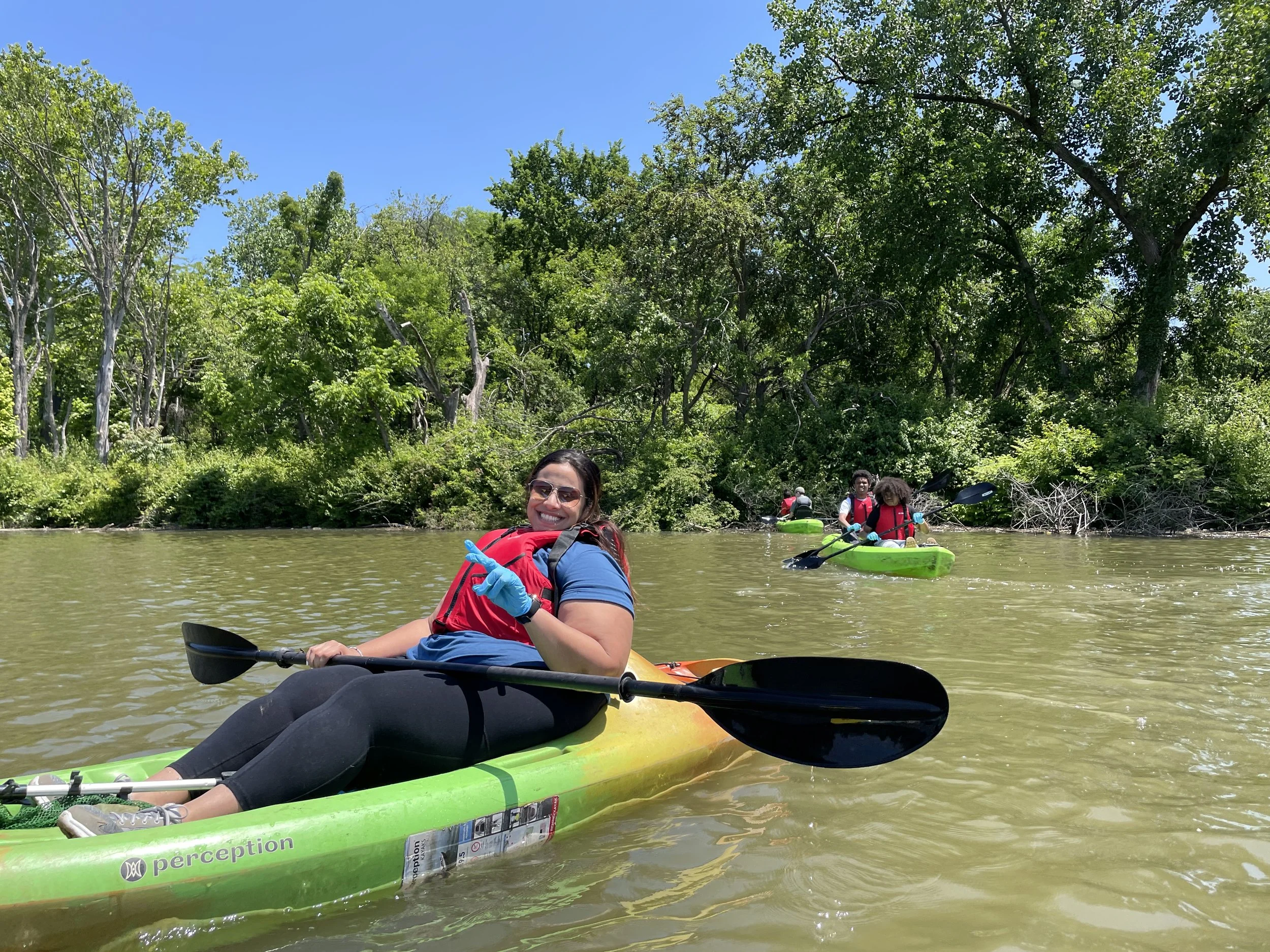
Join us as we take a deep dive into the Anacostia River Watershed, from its rich history to promising future by studying the river on the river at Kingman and Heritage Islands. This five-part project-based learning program focuses on existing pollution in the Anacostia River, where it came from, how it impacts river communities and ecosystems, and what high school students can do about it! This program is currently funded by NOAA’s Bay Watershed Education and Training (B-WET) grant and serves DC high schoolers. If you would like to connect about this program, please email us at education@livingclassroomsdc.org.
School Visits and Project-Based Learning
Outside of our grant-funded programs, we offer project-based learning and MWEE experiences to DC area students of any age! The Meaningful Watershed Education Experience (MWEE) connects students to their local environment, rather than simply educate them on it. With a focus on watershed science, MWEE allows a pathway for students to deepen their environmental literacy skills, critical thinking skills, and leadership qualities. A MWEE is a five-session program that expands student understanding of their local environment and empowers them to make a difference.
We implement MWEE in five sessions, which vary in order by grade level:
-
We visit your classroom to introduce your students to their watershed and build upon their understanding of how it affects them. This activity takes place outside if the weather and your space permits.
-
We visit your classroom to discuss pollution in their watershed and facilitate a trash cleanup around your campus. The other activities we facilitate will broaden their awareness of the impacts of and show them how they can make the world a cleaner place. This activity takes place outside if the weather and your space permits.
-
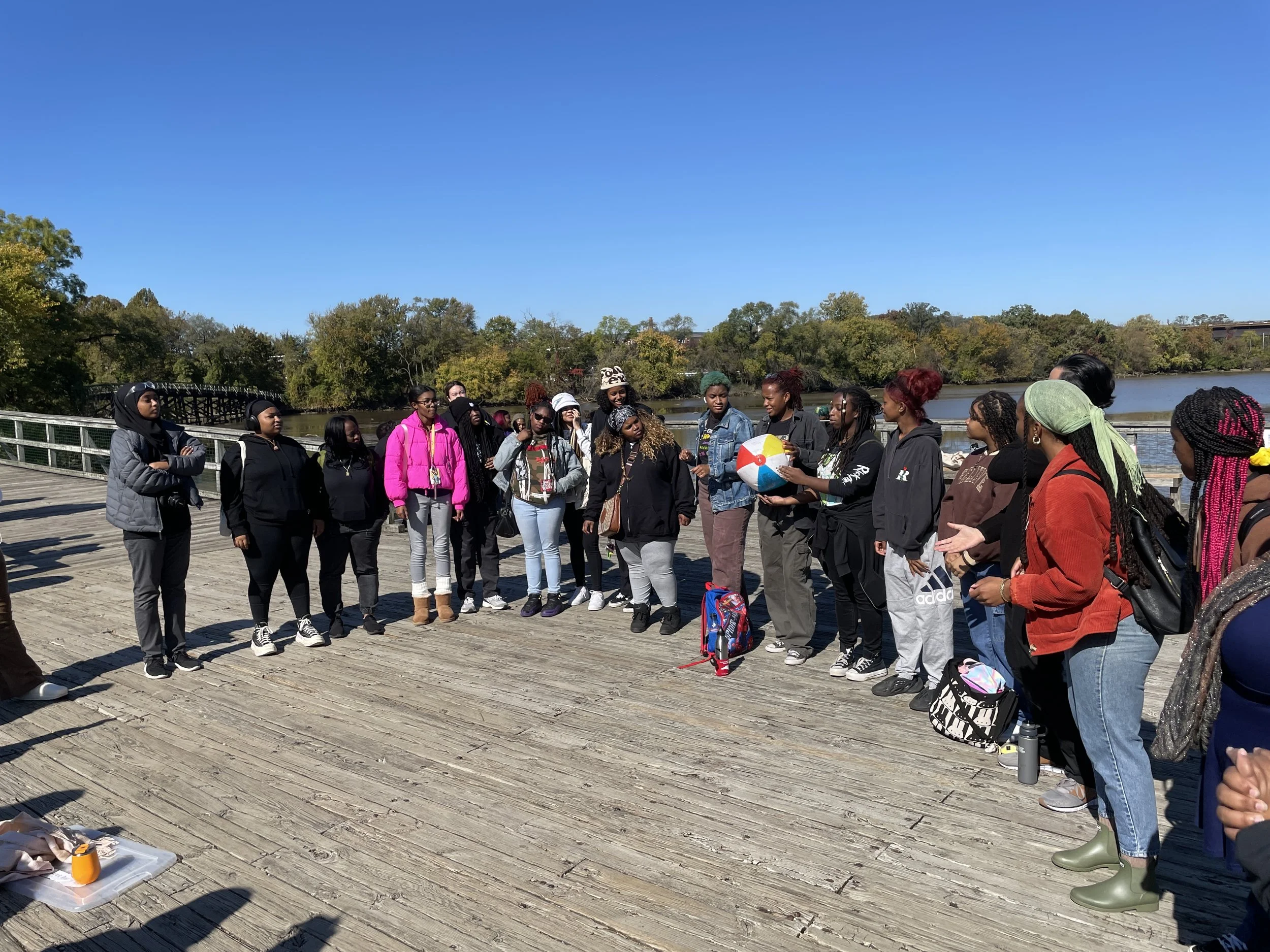
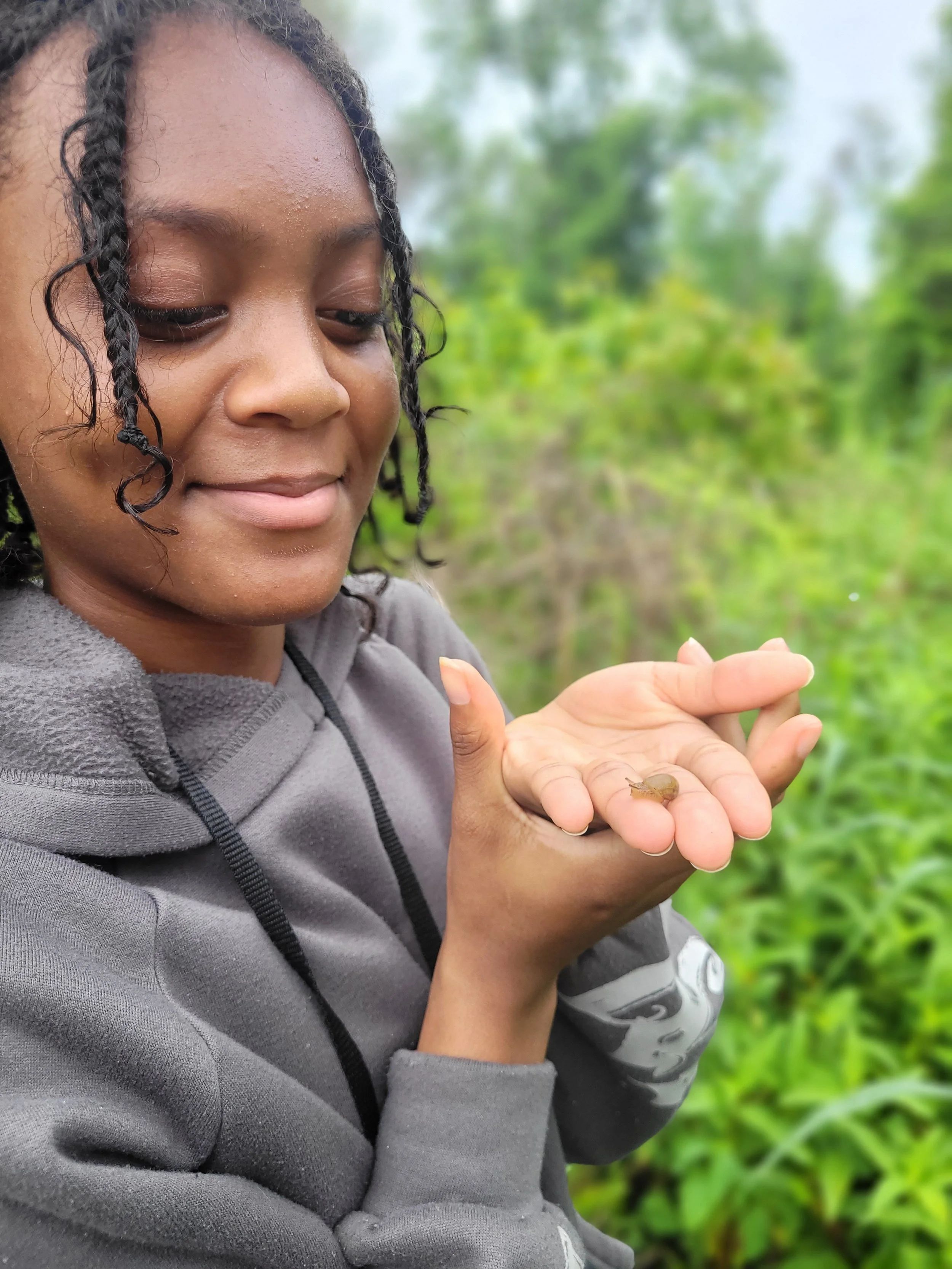
This is a field trip to Kingman + Heritage Islands full of nature-based activities, allowing students to learn through exploration. See the Field Trips dropdown for more about this experience.
-
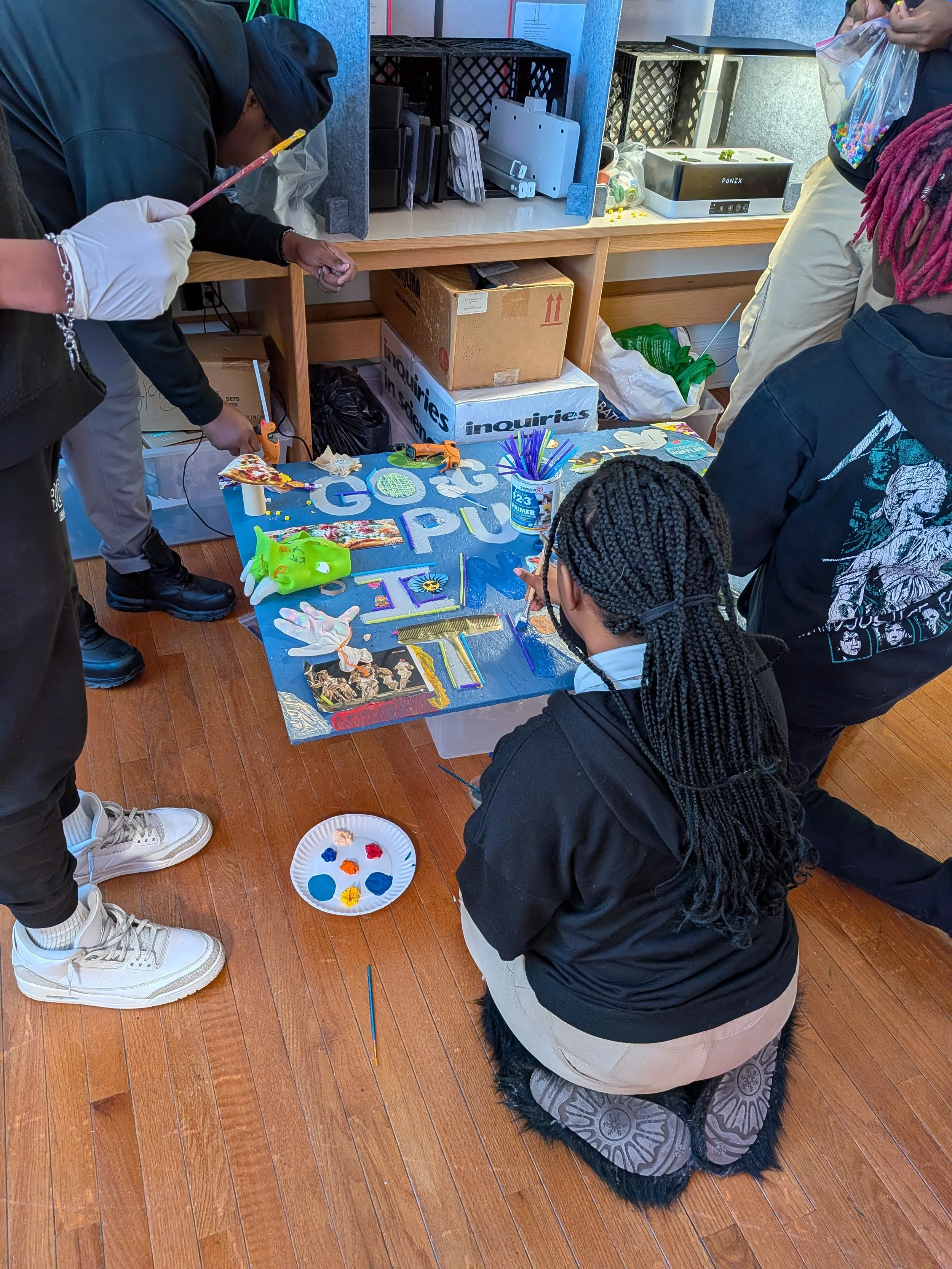
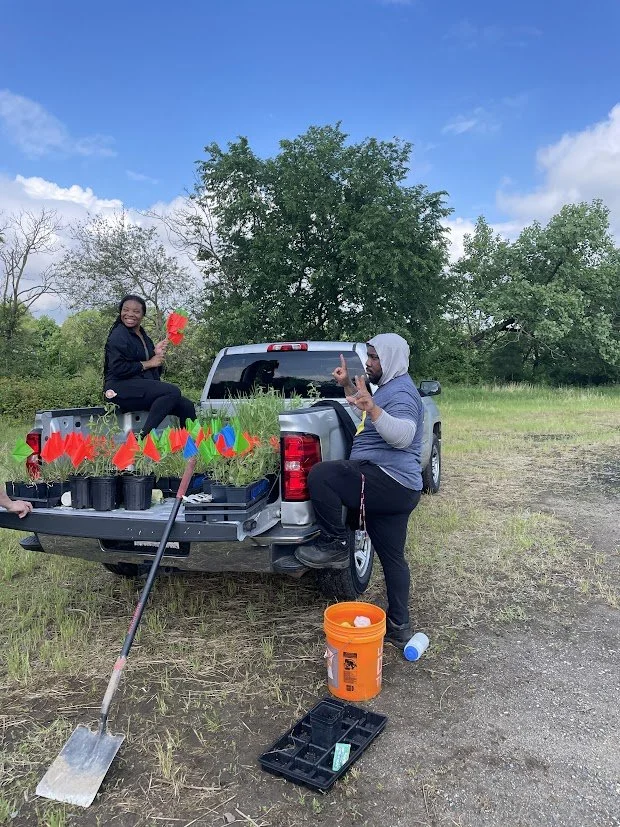
We visit your school to collaborate with your students on a project they can complete that supports their local ecosystem. This project can be anything from creative PSA presentations, civic action, to building an ecologically beneficial installation on your campus. They choose the project, we supply the resources to make it happen!
-
We visit your school with all the necessary supplies to complete this project with your students!
Want us to come to your classroom for a five-session MWEE? We would love to! Only have time for one or two sessions? No problem! We are also happy to visit your classroom for one lesson and then a trip to Kingman + Heritage Islands, just ask!
-
Our Environmental Education team works hard to take care of all MWEE organization, from planning lessons that cater to your grade level, adjusting to content areas and student interests, supplying the resources for projects, and providing any support to make your MWEE personal and meaningful for your students. The fees collected to run a MWEE covers the costs of class and action project supplies, maintaining those supplies, coordinating with third parties, booking outside experts (such as guest speakers, skill sharing educators, etc), compensation for Living Classrooms Educators, and busing for field trips. If your school has its own bus, $1,000 can be subtracted from the cost of the MWEE.
1 experience: $900
2 experiences: $1,800
5 experiences (including busing for the field trip): $6,000
5 experiences (excluding busing for the field trip): $5,000
1 experience + 1 field trip (including busing): $2,400
1 experience + 1 field trip (excluding busing): $1,400
-
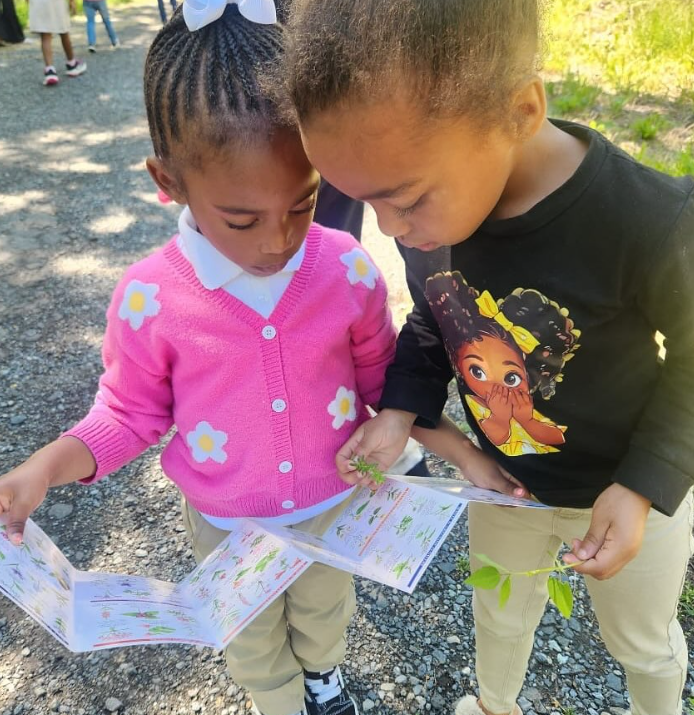
PK-3rd Grade: Let’s dip our toes into the MWEE or outdoor education world! Whether you want us there for one lesson or a whole MWEE, we would love to engage your students in activities that foster their curiosity for the outdoors. We’ll keep lessons short and sweet to meet your students where they are and keep them active and engaged!
4th and 5th grade: Students at this age are the perfect blend of curious and eager to learn! Our MWEE for this age group applies that curiosity into real-world knowledge. The games and activities for this group keep them excited while teaching them about the environment around them.
6th-8th grade: Let’s dive into some bigger themes! Our MWEE gets this age group outside to build their teamwork and leadership skills. This empowerment helps students envision a future where they can positively impact their local ecosystems.
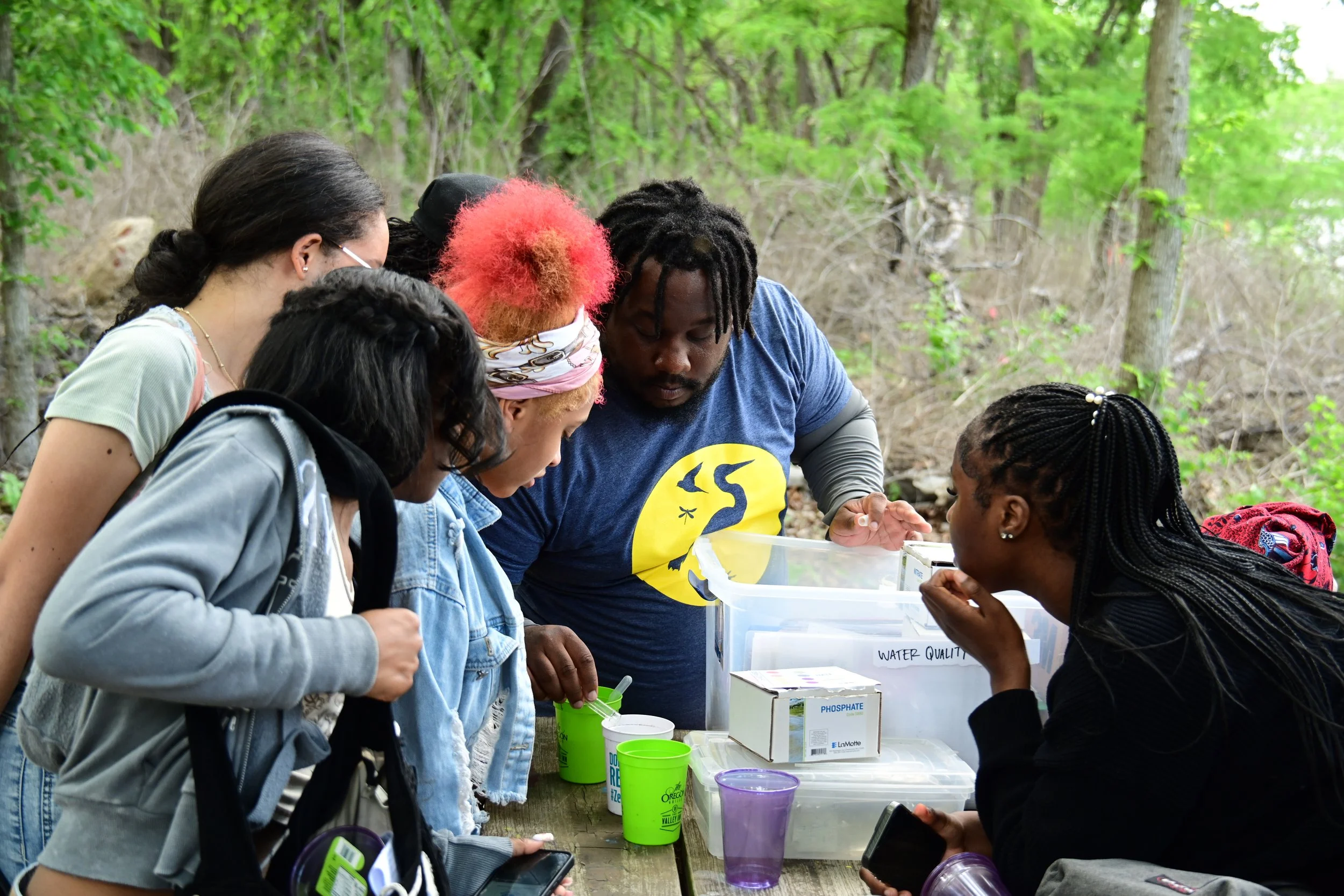
High School MWEE: Our MWEE adheres to Next Generation Science Standards, so feel free to let us know what content areas you have and what your students are interested in! We can easily connect other areas of their academics like history, science, art, and engineering to the environmental education that MWEE offers. We will delve into watershed health by doing hands on investigations, including a water quality lab, where students can draw real conclusions about the river’s health.
Field Trips
Kingman + Heritage Islands
Living Classrooms has provided hands-on Environmental Science lessons to District youth at Kingman Island for more than 15 years. Kingman and Heritage Islands are Washington DC’s first state conservation area, and they are home to more than 100 different species of birds, mammals, and other wildlife. Alive with wetlands, tidal swamp forests, woods, vernal pools, and wildflower meadows, Kingman + Heritage Islands are the perfect place for Living Classrooms to host outdoor adventures for your students!
To learn more about this rare collection of ecosystems, visit our Kingman + Heritage Islands website.
On our field trips, students of all ages (PreK-12) will get to engage in activities based on Next Generation Science Standards curated for their grade level. If you are interested in organizing a field trip for your students, take a look at the Investigations we offer and choose what you think your students will love!
CLICK TO ENLARGE


FAQ
-
Yes! We are happy to serve any schools interested in visiting Kingman + Heritage Islands! Schools further away, such as those in Northern DC and Virginia, may want to plan for more travel time.
-
The main entrance is located near RFK Lot 6, near the Capital Bikeshare Station. Lot 6 is also where we recommend parking, drop-off, and pick-up as needed. You can also reach us on foot from the Anacostia Riverwalk Trail or via public transit (we’re close to some Metro Bus stops and a one mile walk from the Stadium Armory Metro station).
-
Please see the booking information on the brochure above, and contact education@livingclassroomsdc.org.
-
We follow DCPS requirements for student-chaperone ratios. All field trips must have a minimum of two chaperones. Here is a quick guide to help you with our minimums (you can always bring more chaperones than required!):
Private and Charter Schools:
1 chaperone for every 10 students, though a smaller ratio is recommended for younger students
Please follow your school’s guidelines if they are more restrictive than this
DC Public Schools:
PK3 and PK4: 1 chaperone for every 4 students
Kindergarten-5th grade: 1 chaperone for every 8 students
6th-12th grade: 1 chaperone for every 10 students
-
Completed paper copies of our liability waivers for all participants, including adults (teachers and chaperones). All waivers must be signed by a parent or guardian, and must contain an emergency contact.
Full water bottles. We have refillable water stations on-site, so we strongly encourage reusable water bottles.
School lunches / packed lunches if your field trip includes lunchtime. Snacks are encouraged. We will have garbage bags on site for trash, so please make sure students are putting any wrappers and garbage in the bags throughout the day.
Protective gear and weather-appropriate layers (coat, jacket, hat, sunglasses, sunscreen, bug spray). Sun protection is important year-round, but easy for students to forget during the cold seasons. We have some rain ponchos, winter hats, and winter gloves to lend to students, but we recommend students to bring rain gear and hats/gloves if they have them. The islands are fairly buggy March through October; please bring your own bug spray and/or wear lightweight long layers to keep the bugs at bay.
Weather appropriate clothing that can get dirty. We recommend athletic clothes if possible, and older clothes are always a good idea. If your school wears uniforms, let us know and we can work with you to keep everyone as comfortable as possible.
Closed-toe shoes that are weather appropriate and can get dirty. Crocs and closed-toe sandals must have a backstrap. New shoes are not recommended and will be covered with dirt by the end of the trip!
Mildred Belle Sails
Mildred Belle is an authentic Chesapeake Bay buyboat. Originally built in 1948 to be a work boat and fishing boat, the mighty Mildred Belle has been running marine science and maritime history programs with Living Classrooms since 1988. Maritime adventures aboard Mildred Belle are available to students in the District during summer and fall. On board, your students will learn how to trawl fish, drive a historic ship, study the marine ecology of the Anacostia River, and learn about the history of the District from a whole new perspective!
To learn more about Mildred Belle’s history, programs, and pricing, click here.
To sign your students up for this unique experience, contact: maritimeeducation@livingclassrooms.org.
CLICK TO ENLARGE


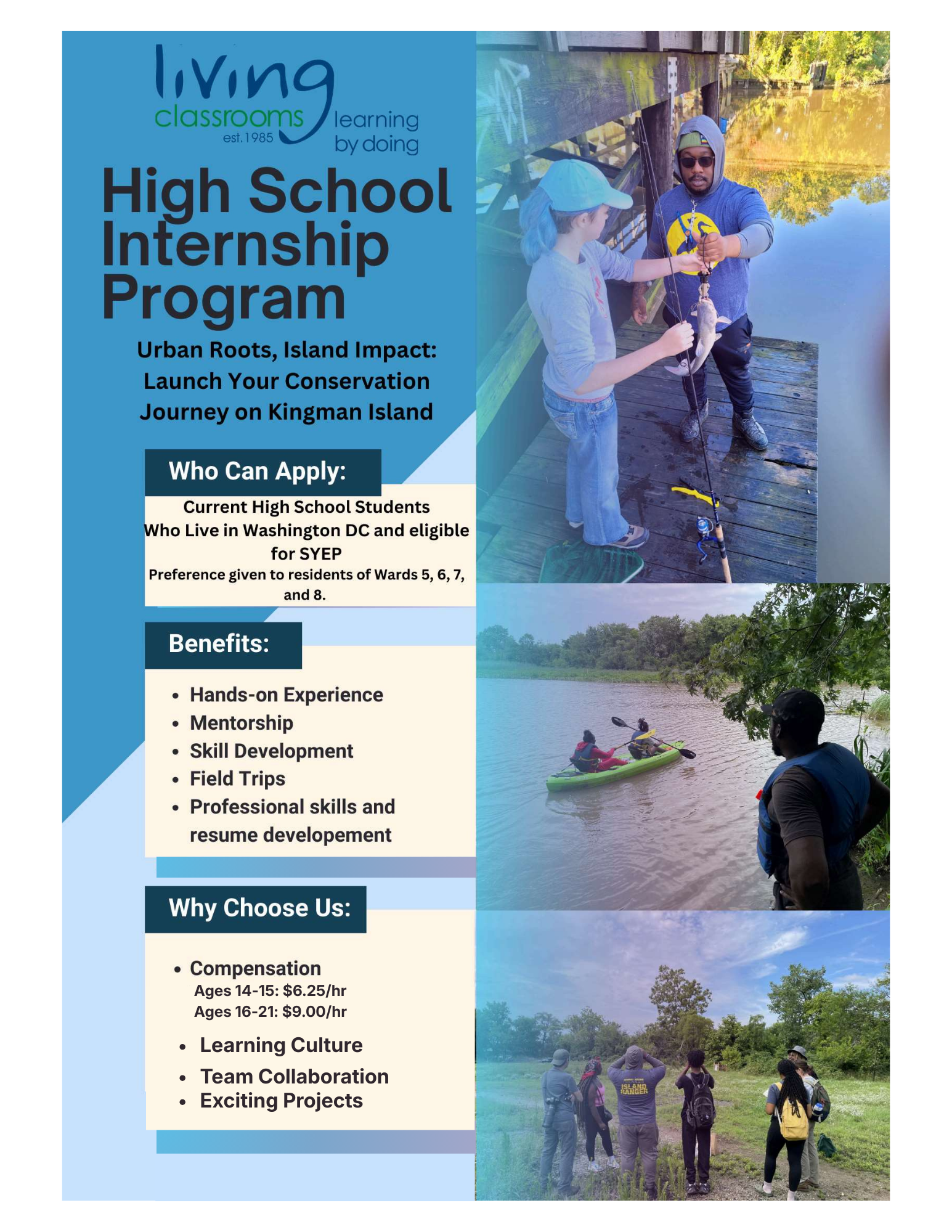
Marion Barry Summer Youth Emloyment Program (MBSYEP)
Junior Rangers
In partnership with the Department of Employment Services Summer Youth Employment Program (DOES SYEP), Living Classrooms offers a paid internship program for high school youth. Accepted interns focus on environmental stewardship as a way to develop job skills in professionalism, visitor services, safety, and equipment handling and maintenance.
-
Visitor services, public speaking, and program facilitation
Minor landscaping and construction projects using hand tools
Local history of the Anacostia River and Kingman and Heritage Islands
Conservation ethics and plant and animal life on the Islands
Stormwater Management and Green Infrastructure
Boat handling, safety, maintenance, and paddling
Plant identification and plant removal.
Outdoor recreation opportunities and careers
Sources of pollution and strategies for reduction/management
Clearing and cleaning trails and public spaces
Professional skills and resume development
-
Current age 14-18 and must be actively enrolled in and attending a DC High School
Must be a DC resident
Must be able to reliably travel to and from Kingman Island, near RFK Stadium
Must be willing to spend at least 5 hours at a time outside in summer heat
Interest in learning about and caring for Kingman + Heritage Islands and their wildlife
-
Monday through Friday from June 23rd-August 1st. Our work schedule is 9:00am-1:00pm and participants will be compensated at the rates listed in the flyer above.
-
Visit https://summerjobs.dc.gov/page/mbsyep to apply, specifying that you are interested in becoming a Junior Kingman Island Ranger.
If you are interested in this role, email kingmanisland@livingclassroomsdc.org to be added to our 2026 Jr. Ranger candidate list. We’ll be in touch!
Location
Kingman Island
Dent House
156 Q. St. SW
Washington, DC 20024